Choosing a home battery in Australia means navigating a market with a dozen credible options and a lot of marketing noise. This guide cuts through to the practical strengths and weaknesses of the leading brands — and the questions you should be asking your installer before signing anything.
Tesla Powerwall 3
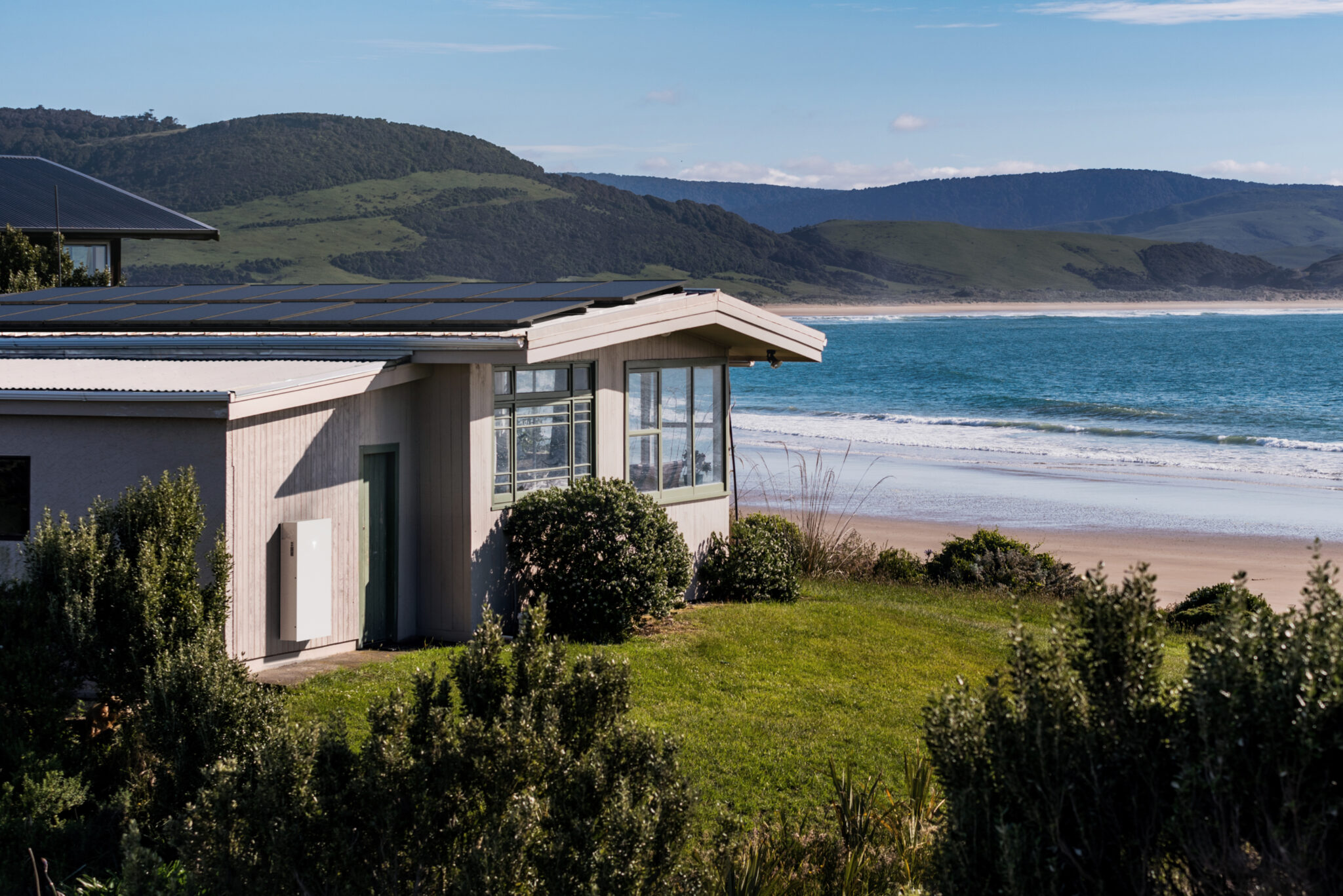
Capacity: 13.5 kWh usable | Warranty: 10 years (70% capacity retention) | Chemistry: LFP
The Powerwall 3 is the most integrated residential battery available in Australia — inverter, battery, and EV charging capability in a single unit. It also brings a significant correction from earlier models: unlike the Powerwall 2, the Powerwall 3 uses lithium iron phosphate (LFP) cells, which are more thermally stable and longer-lived. The 11.5 kW continuous output is class-leading for a residential system, and backup capability (whole-home, seamless transition) remains a genuine point of difference.
The installed price typically lands between $12,500 and $14,500 in 2025–26 after accounting for the mandatory Backup Gateway unit ($1,950 separate to the battery). That is a premium over comparable LFP alternatives. Supply lead times of four to twelve weeks are common in high-demand states. Tesla also requires ongoing internet connectivity to maintain warranty coverage — worth clarifying with your installer.
Best for: Households prioritising robust backup power, EV charging integration, and a highly polished product, and who are comfortable paying a per-kWh premium for that integration.
Ask your installer: How many Powerwall 3 installations have they completed? Tesla's direct-install model means warranty service goes through Tesla rather than the installing company — understand who you call if something goes wrong.
GoodWe ESA
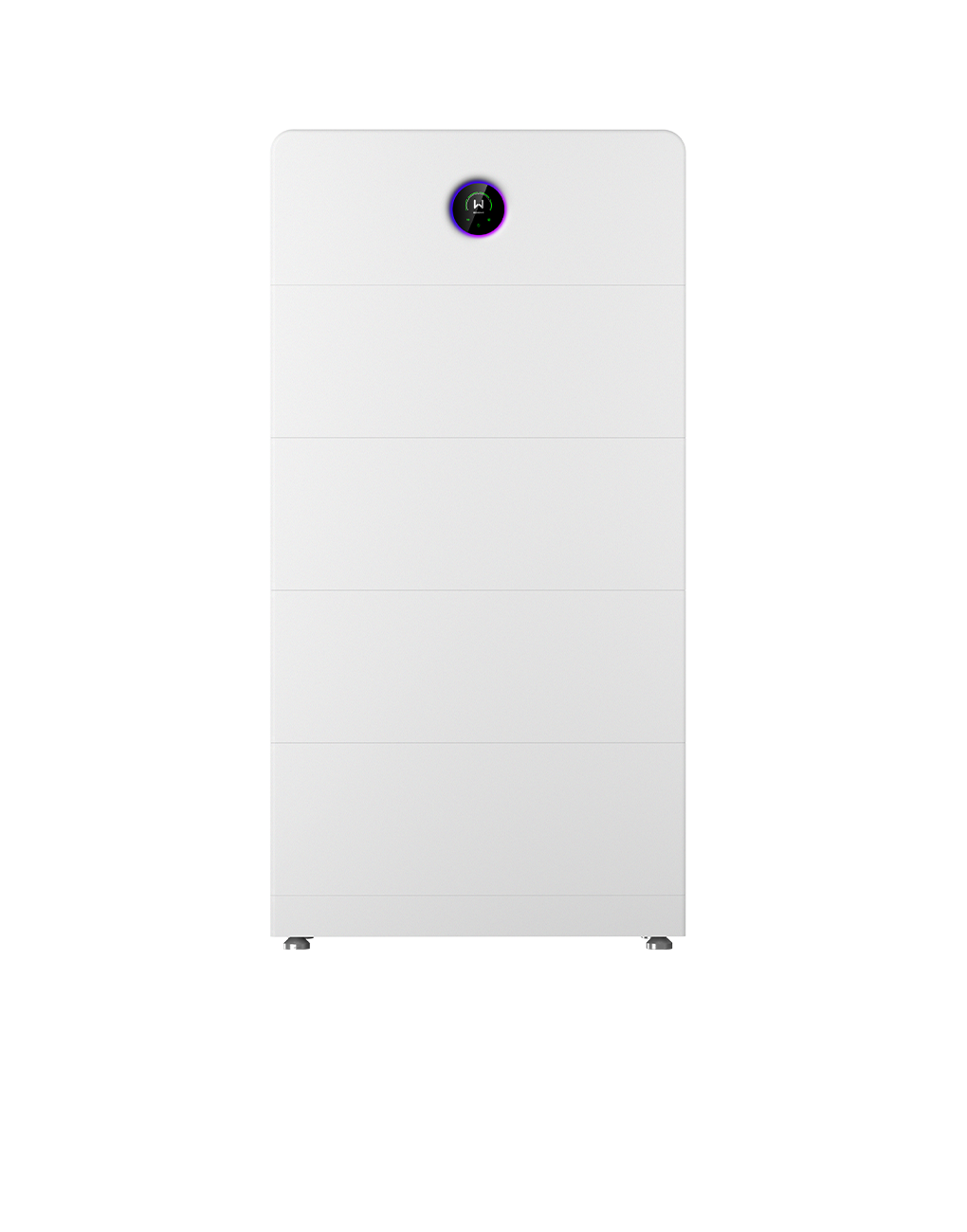
Capacity: 5–48 kWh (modular, 5 kWh or 8 kWh modules) | Warranty: 10 years (70% capacity retention) | Chemistry: LFP
Launched in Australia at the Smart Energy Conference in April 2025, the GoodWe ESA is an all-in-one system combining a hybrid inverter (3–10 kW single-phase, with a three-phase option up to ~30 kW) with modular LFP battery storage in a single cabinet. The IP66 outdoor rating, aerosol fire suppression, and AI-driven arc-fault detection (AFCI 3.0) are genuine differentiators in this price bracket. Average installed cost is around $955 per usable kWh, making it one of the more competitive options for larger systems.
The main caveat is that the ESA is a relatively recent entrant. Availability was inconsistent across states in the months after launch, and installer familiarity varies. Confirm your installer has hands-on ESA experience rather than just general GoodWe experience.
Best for: Cost-conscious buyers who want LFP chemistry, flexible sizing up to larger capacities, and an outdoor-rated enclosure.
Ask your installer: Have they commissioned an ESA system (not just GoodWe's older BH/ET series)? Has their state distributor had consistent stock since launch?
Sungrow SBR and SBH
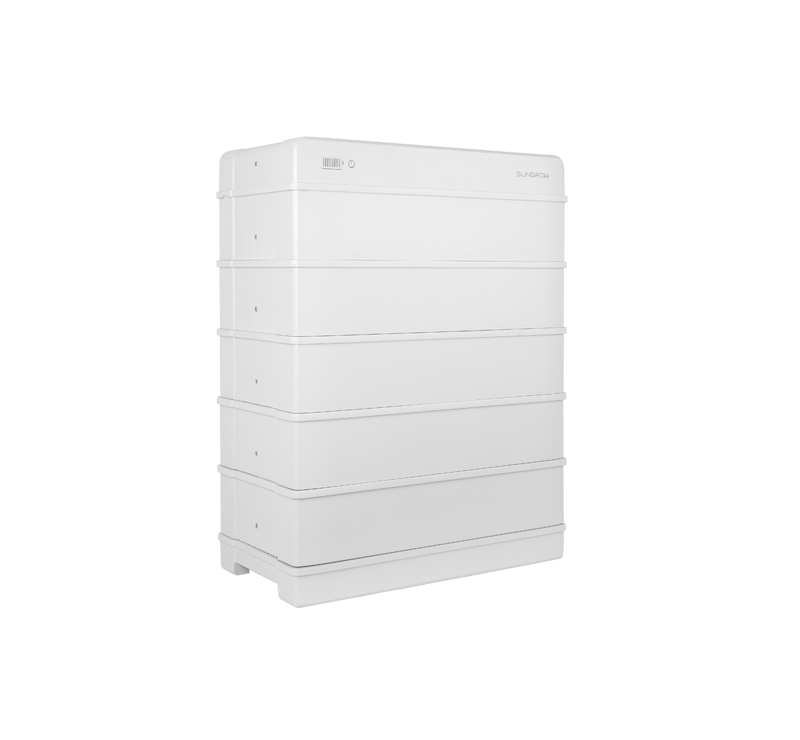
SBR capacity: 6.4–25.6 kWh (3.2 kWh modules, minimum two modules) | SBH capacity: 20–40 kWh (5 kWh modules) | Warranty: 10 years (70% capacity retention, 10,000 cycles) | Chemistry: LFP
Sungrow is one of the world's largest inverter manufacturers, and its battery systems benefit from that scale. The SBR is the workhorse of the two: starting at 6.4 kWh (two modules) and scaling in 3.2 kWh steps to 25.6 kWh, it suits most residential applications. The SBH series targets larger homes and small businesses, beginning at 20 kWh.
Both series are available in three-phase configuration with Sungrow's SH-series hybrid inverters, and Sungrow's iSolarCloud monitoring app covers solar generation and battery state in one place. The 10,000-cycle warranty claim is among the best in the residential market. Sungrow's Australian operation (based in North Sydney) includes local technical support, a spare parts warehouse, and accessible on-the-ground service — something that matters when you need a warranty claim resolved quickly. In Solar Quotes' 2025 Installers' Choice Awards, Sungrow tied with Tesla as the battery installers would most choose for their own home.
Best for: Three-phase properties, existing Sungrow inverter owners, and households wanting a large installer network with strong local support.
Ask your installer: Are they specifying SBR or SBH for your load profile, and why? For three-phase, confirm they're using a compatible SH-series inverter — mixing brands can void warranty.
Enphase IQ Battery 5P with FlexPhase
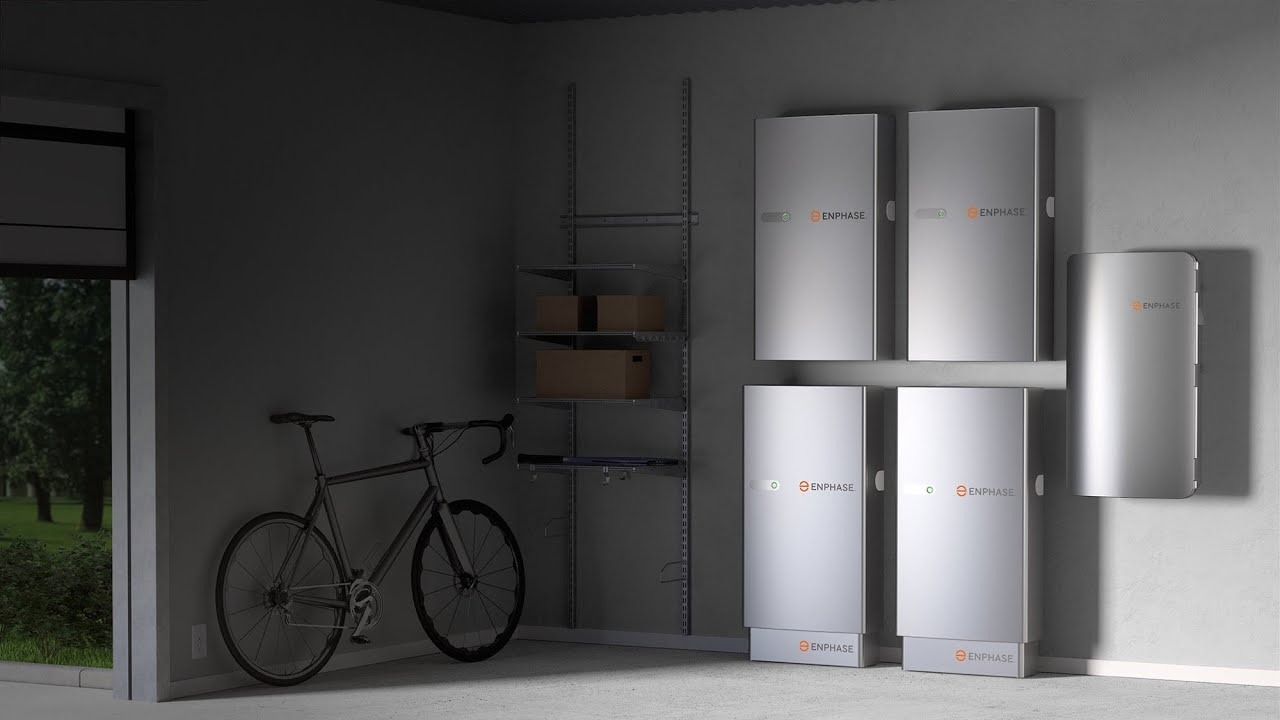
Capacity: 5 kWh per unit, expandable to 70 kWh | Warranty: 15 years (60% capacity retention, 6,000 cycles) | Chemistry: LFP
Enphase's architecture is unique: each IQ Battery 5P contains its own embedded microinverters, making it a fully AC-coupled unit. The FlexPhase variant, launched in Australia in August 2025, adds native three-phase support. Because the system is AC-coupled, it is compatible with virtually any existing solar setup regardless of inverter brand — a genuine advantage for homeowners retrofitting storage onto an older system.
The 15-year warranty is the longest available in the residential market. The trade-off is cost: average installed prices run around $1,465 per usable kWh, making it among the most expensive options per kWh. Achieving 10 kWh requires two units and two installation footprints. Enphase also requires installers to be accredited through Enphase University, so the installer pool is smaller than for brands like Sungrow or GoodWe.
Best for: Households with an existing non-compatible solar system who want a retrofit-friendly AC-coupled battery, and those who value the longest warranty in the market.
Ask your installer: Are they Enphase University accredited? With multiple units, confirm the FlexPhase configuration is correctly set up for your phase setup — commissioning errors here are a known catch.
BYD Battery-Box HVM
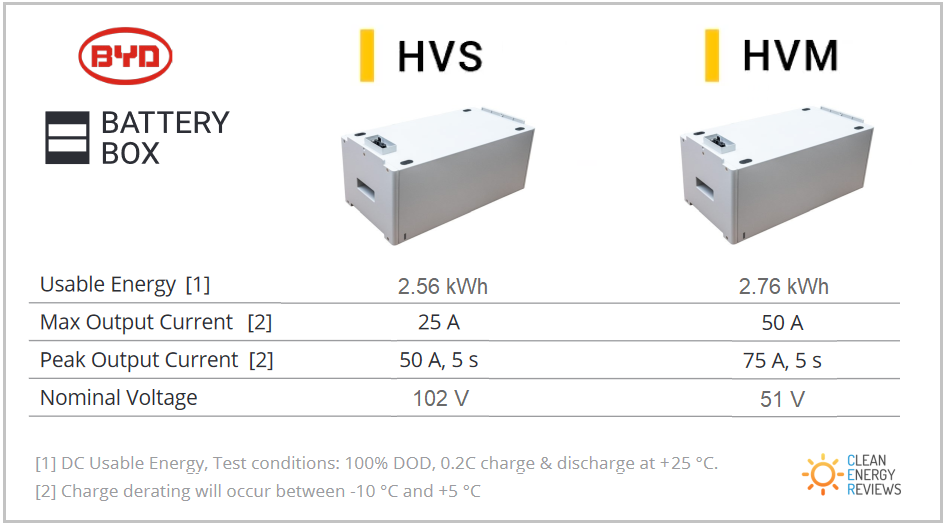
Capacity: 8.3–22.1 kWh per tower (2.76 kWh modules, 3–8 modules); up to 66.2 kWh in parallel | Warranty: 10 years (60% capacity retention) | Chemistry: LFP (Blade cells)
BYD is the world's largest battery manufacturer and brings proven cell technology — the same Blade LFP architecture used in its electric vehicles — to the residential market. The HVM is the mid-range tower in the Battery-Box Premium range (the HVS covers smaller configurations down to 5.1 kWh). BYD's inverter-agnostic design is a genuine strength: the compatible inverter list (v2.21) includes Fronius, SMA, GoodWe, Kostal, SolarEdge, and Sungrow, among others — making it a realistic option for homes with existing hybrid inverters that are not tied to a proprietary battery ecosystem.
Note that BYD's performance warranty guarantees 60% capacity retention after 10 years, which is somewhat lower than the 70% floor offered by most competitors — worth factoring in when comparing long-term value.
Best for: Households with an existing compatible hybrid inverter (particularly Fronius, SMA, or SolarEdge) who want good-value LFP chemistry without replacing the inverter.
Ask your installer: Which firmware version of your existing inverter is certified against the current BYD compatible inverter list? Compatibility lists update regularly, and an inverter on an older firmware may behave unexpectedly.
What about newer entrants?
Two brands worth noting for larger or more ambitious systems:
Sungrow SBH (covered above) is gaining traction for larger residential and small-commercial sites where 20–40 kWh is needed in a single system.
Huawei LUNA2000 S1 uses 6.9 kWh modules (up to 20.7 kWh per tower, four towers in parallel) and offers a 15-year warranty with sub-20-millisecond backup switchover. It is available in Australia but is typically only quoted alongside Huawei inverters — the ecosystem lock-in is significant.
How to choose
The best battery for your home depends on four things: phase configuration (single or three-phase), existing inverter (some batteries require a specific brand), backup requirements (whole-home vs. essential circuits), and budget per kWh.
As a rough guide:
- Backup power is the priority → Powerwall 3 or Enphase IQ 5P (both offer whole-home backup with seamless switchover)
- Best value per kWh for most homes → Sungrow SBR or GoodWe ESA
- Retrofitting onto an existing inverter → BYD HVM (check the compatible inverter list) or Enphase IQ 5P (AC-coupled, works with anything)
- Three-phase property → Sungrow SBR/SBH with SH-series inverter, or GoodWe ESA three-phase variant
All of the batteries listed here are eligible for the federal Cheaper Home Batteries Program rebate (active from 1 July 2025), which provides around $252 per usable kWh for systems up to 14 kWh, with tapering support above that threshold.
Our battery comparison page has a full side-by-side specification table, and the calculator will recommend a storage size and flag compatibility considerations for your specific setup.