Home battery storage has moved well past the early-adopter phase. With retail electricity prices averaging around 33 cents per kWh and feed-in tariffs sitting at just 4–8 cents per kWh in most states, the economics are straightforward: every kilowatt-hour you store and use yourself is worth roughly five to eight times more than what the grid will pay you to export it.
This guide covers how batteries work, what they cost in 2026, what rebates are available, and how to decide whether the numbers stack up for your household.
A note on time-sensitive figures: Rebate programs, electricity tariffs, and battery prices change regularly. Always verify current amounts directly with the relevant government program or your installer before making a decision.
 The Tesla Powerwall 3, one of Australia's most widely installed home batteries.
How a home battery system works
A home battery — formally called a Battery Energy Storage System (BESS) — sits between your solar panels, your home's switchboard, and the grid. During the day it charges from surplus solar generation. At night, or whenever your solar output drops below your household demand, it discharges to power your home. Only when the battery is depleted does your home draw from the grid.
Battery chemistry
Almost all residential batteries installed in Australia today use one of two lithium-ion chemistries:
- Lithium Iron Phosphate (LFP) — the dominant choice for homes. LFP is thermally stable, significantly less prone to thermal runaway than other chemistries, and rated for 4,000–10,000+ charge cycles. This makes it well suited to Australian conditions, including hot garages and outdoor enclosures.
- Nickel Manganese Cobalt (NMC) — higher energy density (smaller and lighter for the same capacity), but typically rated for 2,000–4,000 cycles and more sensitive to heat. Still used in some systems, particularly older Powerwall 2 units.
When comparing batteries, look at the cycle life figure alongside the warranty — a 10-year warranty backed by 70% capacity retention (Tesla Powerwall 3) is meaningfully different from one backed by only 60% (some Sungrow models).
Inverter configurations
How the battery connects to your system affects both cost and performance:
- Hybrid inverter (DC-coupled) — a single inverter handles both solar and battery. Most efficient, lower overall system cost if you're installing solar and battery together.
- AC-coupled battery — the battery has its own integrated inverter and connects to your existing switchboard separately. Easier to retrofit to an existing solar system; examples include the Tesla Powerwall 3 and Enphase IQ Battery range.
- Storage-in-a-box — a complete pre-configured unit combining battery cells, battery management system (BMS), and inverter in one cabinet (common in BYD and Sungrow systems).
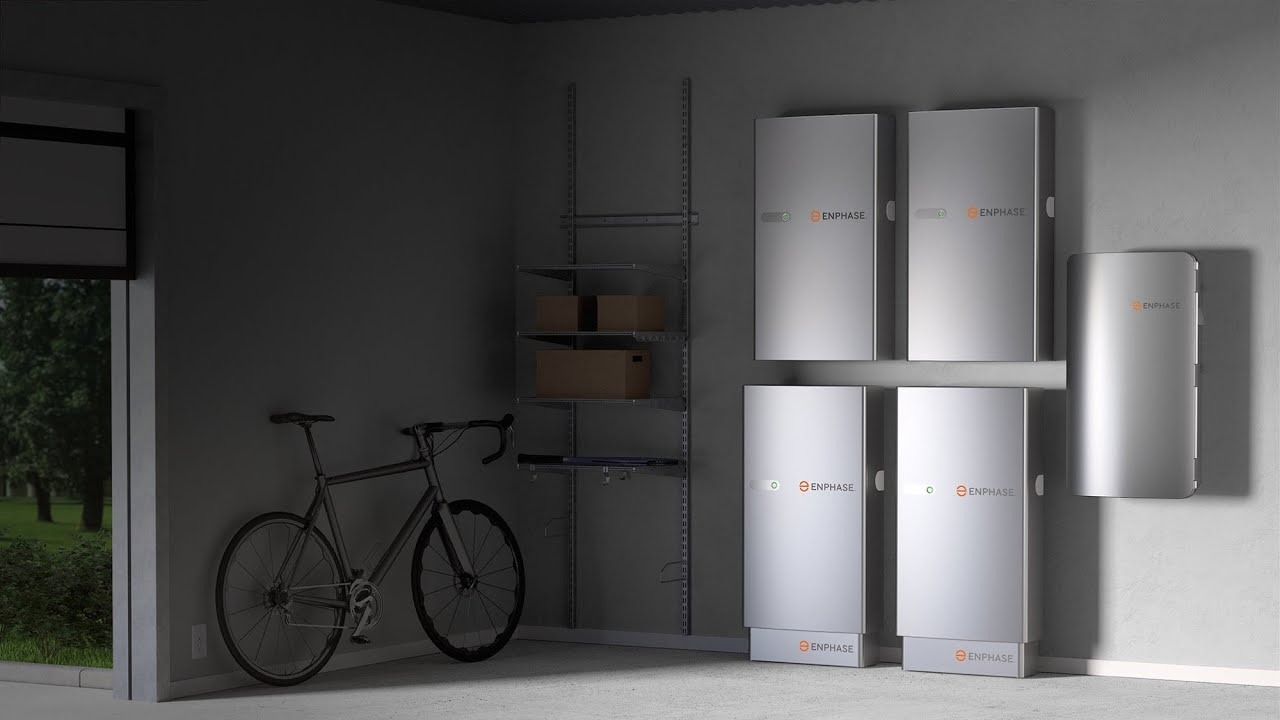 Enphase IQ Battery 5P units — an AC-coupled design that retrofits onto virtually any existing solar system.
Grid connection and backup capability
Most home batteries in Australia are grid-connected — they can import and export power to the grid, and the grid acts as a backup when the battery is flat. Not all grid-connected batteries provide blackout protection. This is a critical detail many buyers miss: some batteries are designed only for bill saving and will shut down during a grid outage, just like a grid-tied solar system without storage.
If backup power is important to you, confirm with your installer that the system supports island mode (also called off-grid or backup mode). Systems like the Tesla Powerwall 3 include an Automatic Transfer Switch that can isolate your home from the grid within seconds during an outage.
What does a home battery cost in 2026?
Installed prices for a complete battery system (including labour and commissioning) in Australia range from approximately:
| System size | Installed cost (before rebates) |
|---|---|
| 5–7 kWh | $6,000 – $9,000 |
| 10–13 kWh | $8,000 – $14,000 |
| 15–20 kWh | $14,000 – $20,000+ |
Prices vary by brand, inverter type, and whether a new hybrid inverter is required. The cost per usable kWh installed (a useful comparison metric) typically ranges from around $800 to $1,300 before rebates, though budget brands can come in lower.
Costs have fallen substantially over five years and are expected to continue declining as production scales.
Rebates and incentives available in 2026
Federal: Cheaper Home Batteries Program
The Australian Government's Cheaper Home Batteries Program (CHBP), administered by the Clean Energy Regulator, launched on 1 July 2025. It provides a point-of-sale discount of approximately 30% on eligible batteries — structured as Small-scale Technology Certificates (STCs) applied at the time of installation.
From 1 May 2026, the program moved to a tiered STC factor structure:
- 0–14 kWh capacity: 100% STC factor (full subsidy rate)
- 14–28 kWh capacity: 60% STC factor on capacity above 14 kWh
- 28–50 kWh capacity: 15% STC factor on capacity above 28 kWh
For a typical 10–13 kWh residential system, the discount equates to roughly $2,500–$4,500 off the installed price. The battery must be paired with an existing or new solar PV system, and installation must be by a Solar Accreditation Australia (SAA) accredited installer. Check the Clean Energy Regulator's battery list to confirm your chosen model is eligible.
State and territory programs
State-level programs stack with the federal CHBP in most cases. Current status as of mid-2026:
New South Wales — The NSW VPP Incentive (replacing the previous PDRS rebate from 1 July 2025) pays up to $1,500 upfront for connecting an eligible battery to a Virtual Power Plant. Payment is roughly $40–$55 per usable kWh; both new and existing batteries (that haven't previously claimed an NSW rebate) qualify. Batteries must be VPP-capable and between 2–28 kWh.
Western Australia — The WA Residential Battery Scheme offers a $1,300 rebate for Synergy customers (and $3,800 for Horizon Power customers in regional WA). VPP participation is a requirement. An interest-free loan of up to $10,000 is also available. Income cap of $210,000 gross household income applies.
Victoria — The state-level battery rebate component of the Solar Homes program closed in late 2024. Victorian households can only access the federal CHBP in 2026.
Queensland — The Battery Booster program closed when its funding allocation was exhausted and was not renewed after the federal program launched.
South Australia, Tasmania, ACT — Federal CHBP only in 2026; no current state-specific battery rebate.
For a full breakdown, see our Battery Rebates guide.
Is a battery worth buying?
The answer depends on your specific situation. Batteries make the strongest financial case when:
- You have an existing solar system generating surplus power — if you're exporting significant generation that you're not being paid well for, there's value to capture.
- Your import rate is high relative to your feed-in tariff — the wider the gap, the larger your daily saving. At 33 c/kWh import and 5 c/kWh export, you save 28 cents for every kWh you store and self-consume instead of export.
- Your household uses power morning and evening — a battery earns its keep by bridging the gap between when solar generates (midday) and when you actually consume (mornings and evenings). A household that works from home and runs appliances all day may already have high self-consumption without a battery.
- You want resilience against blackouts — this is a non-financial benefit that's genuinely valuable in areas with unreliable supply, but confirm the system supports backup mode before purchasing.
Typical savings and payback periods
A household with a 6.6 kW solar system and a 10 kWh battery can reasonably expect annual bill savings of $700–$1,500, depending on location, tariff structure, and usage patterns. Households in South Australia, NSW, and WA — where electricity prices are highest — tend to see the strongest returns.
Before federal rebates, payback periods for a well-matched system typically fall in the 6–10 year range. With the CHBP reducing upfront cost by roughly 30%, this improves to approximately 5–8 years in favourable scenarios. Most quality batteries carry a 10-year warranty, so a system bought today should still be within its warranty period at payback.
VPP participation can reduce payback further. Enrolling your battery in a Virtual Power Plant typically adds $300–$800 per year in earnings (with some wholesale-market VPPs reaching higher), which can cut 1–3 years from your payback period.
The best way to check the numbers for your situation is to use our free battery calculator, which models your specific tariff, solar generation, and usage patterns.
Choosing the right battery
The major brands available in Australia include Tesla Powerwall, BYD, Sungrow, Enphase, and GoodWe. All mainstream residential products now use LFP chemistry.
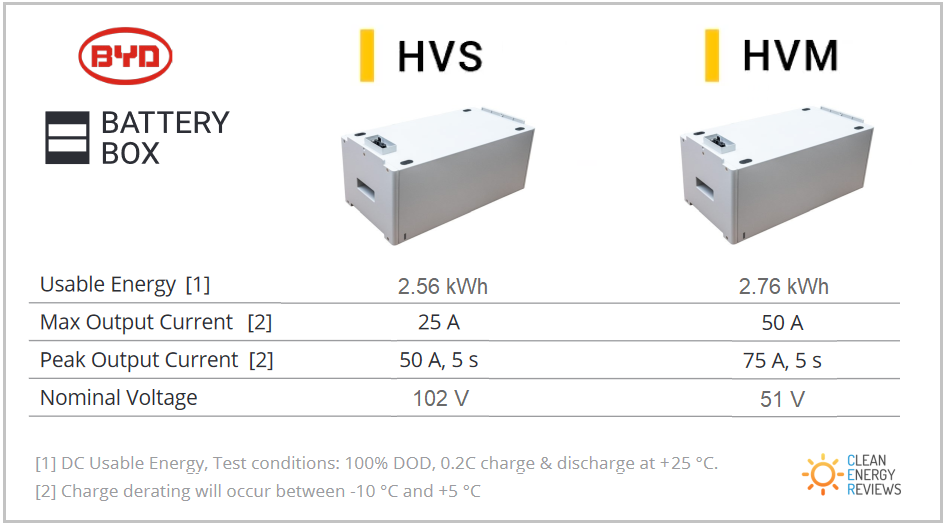 BYD Battery-Box HVM — modular LFP towers compatible with a wide range of inverter brands.
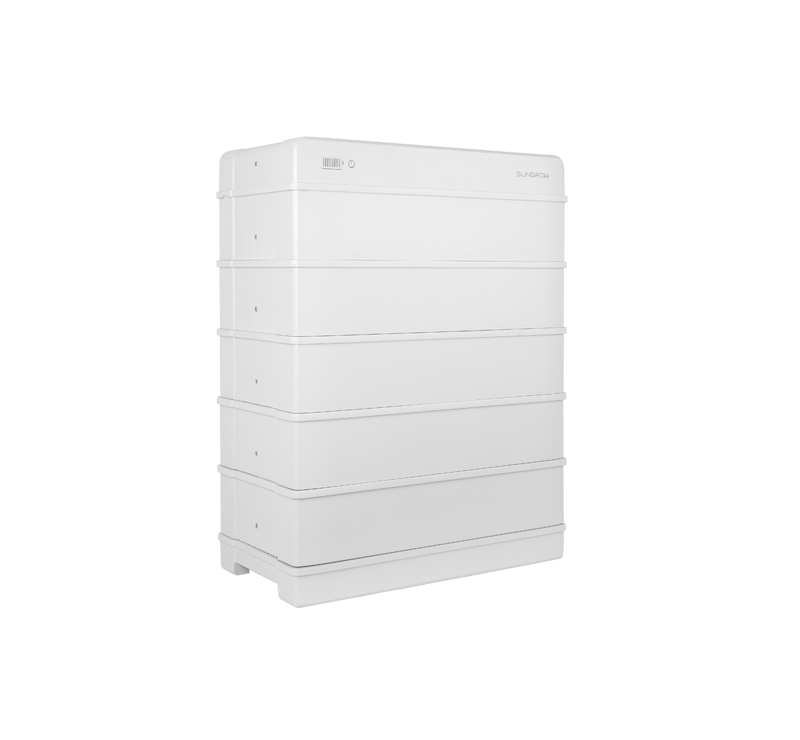 Sungrow SBR — scalable from 6.4 to 25.6 kWh in 3.2 kWh module steps.
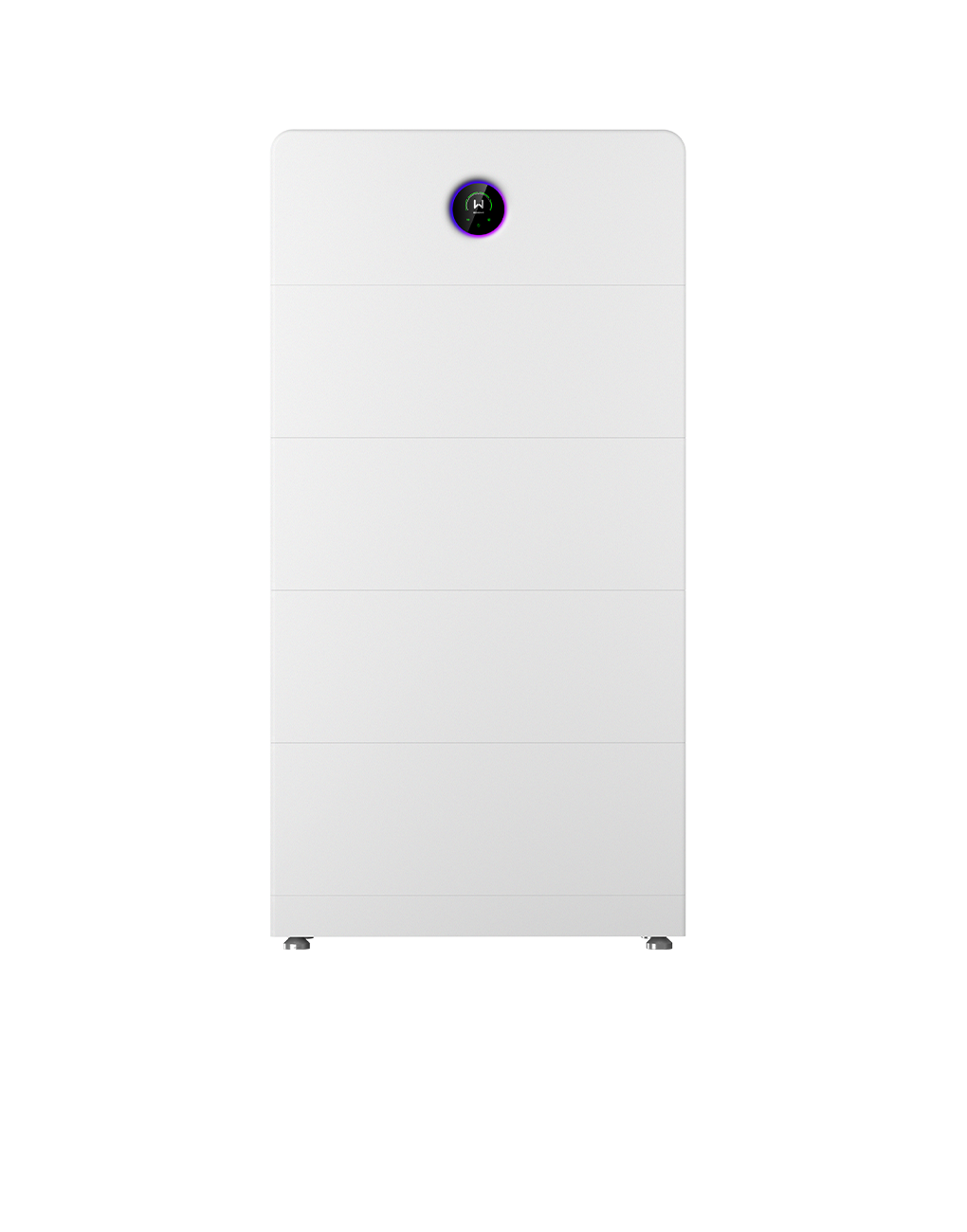 GoodWe ESA — all-in-one hybrid inverter and battery cabinet with IP66 outdoor rating.
Key things to compare:
- Usable capacity — not nominal capacity. A 13.5 kWh nominal battery may have 13 kWh usable.
- Warranty terms — length, cycle limit (if any), and minimum capacity retention at end of warranty.
- Backup capability — does it support island mode? Is the transfer switch included or extra?
- Brand's Australian service network — who handles warranty claims in your state, and how quickly?
See our Battery Comparison page for a side-by-side overview of leading models.
What to ask your installer
From the field, the questions that matter most before signing:
- Is this battery eligible for the Cheaper Home Batteries Program, and will the discount be applied at the point of sale?
- Does the system support blackout backup, and is the automatic transfer switch included in the quote?
- Does my existing solar inverter need to be replaced, and is that cost included?
- What is the manufacturer's Australian service contact, and what is your typical response time for warranty issues?
- Is the battery suitable for my installation environment (particularly important if it will be in an exposed or hot location)?
Getting at least three quotes from CEC-accredited installers gives you a reliable sense of market pricing and surfaces any site-specific complications early.