Most Australian homes have a single-phase electricity supply. But a growing number — particularly newer builds, homes with large solar systems, and homes with high-demand appliances — have a three-phase supply. The phase configuration of your home directly affects which batteries are compatible, how they're installed, what backup power you can expect during an outage, and how much solar you can export to the grid.
What does single-phase vs three-phase mean?
Your home's electricity supply arrives from the grid via either one phase (single-phase) or three phases (three-phase). Single-phase delivers 230V on one active conductor. Three-phase delivers 230V on each of three active conductors — and 400V between any two phases.
Three-phase supplies can deliver more power simultaneously, which is why larger homes, homes with solar systems above about 10 kW, and homes with high-demand appliances (ducted air conditioning, three-phase EV chargers, large ovens or pool pumps) are often connected this way. Newer residential estates in NSW, Victoria, and WA are increasingly being connected as three-phase as a matter of course.
How do I know which I have?
Check your switchboard. A single-phase connection has a single-pole main switch (one wide rocker). A three-phase connection has a three-pole main switch — three rockers linked together, or a combined switch labelled "3 Pole Main Switch" or marked "400 V". You may also see three large rectangular service fuses rather than one.
If you're not sure, your network operator (e.g. Ausgrid, Jemena, Energex, Western Power) can confirm your connection type. Your installer will also check before designing a system.
Battery options for single-phase homes
All major battery brands available in Australia work with single-phase homes. That includes the Tesla Powerwall 3, Sungrow SBH/SBR series, BYD Battery-Box HVM, Sigenergy SigenStor, and GoodWe Lynx. Single-phase systems are simpler to install and represent the vast majority of Australian residential battery installations.
Battery options for three-phase homes
Three-phase homes have two distinct options, and the right choice depends on your priorities.
Option 1: Single-phase battery on one phase
The battery connects to one of the three phases and directly offsets that phase's consumption. It cannot move energy from one phase to another — this is a limitation of how electricity is distributed in the home, not a battery design flaw.
However, Australian smart meters used for solar and battery installations net your import and export across all three phases together. This means solar or battery output on one phase can effectively cancel out consumption on another when reading your bill. It does not mean power physically crosses between phases inside your home.
This option works well if your loads are reasonably balanced across phases, or if you mainly want to reduce bills rather than achieve backup capability across the whole house.
Option 2: True three-phase battery system
Several batteries are available as native three-phase systems in Australia. Each phase is managed independently by the inverter, which can supply or absorb power on all three phases simultaneously.
Currently available three-phase residential battery options in Australia include:
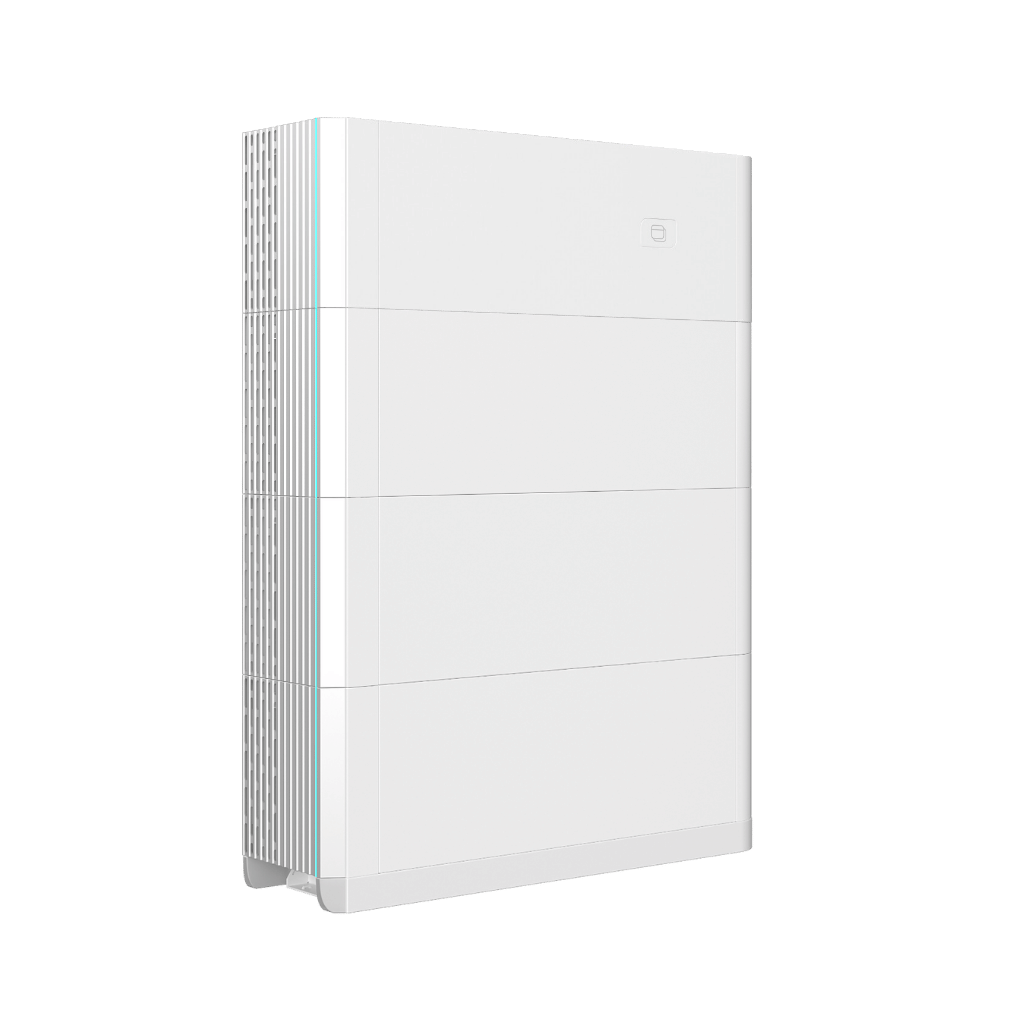
- Sungrow SBH/SBR with a three-phase hybrid inverter — the SH series hybrid inverters (e.g. SH10RT, SH15T) support true three-phase operation
- Sigenergy SigenStor — a native three-phase system with integrated inverter and backup capability across all three phases; Sigenergy was the leading battery supplier in Australia by installed capacity in 2025
- BYD Battery-Box HVM paired with a compatible three-phase inverter (e.g. Fronius Symo GEN24, SMA Sunny Tripower)
- Tesla Powerwall 3P — announced in early 2026, this is a native three-phase variant of the Powerwall 3; it was launching in Europe at time of writing and had not yet received Clean Energy Council approval for Australia
Note that the standard Tesla Powerwall 3 only provides single-phase backup, even when installed in a three-phase home. Three Powerwall 3 units on separate phases does not constitute true three-phase backup, as the phases are not synchronised — three-phase appliances will not function on this setup during an outage.
Backup power: the critical consideration
If backup power during a grid outage is a priority, phase configuration matters significantly.
A single-phase battery on a three-phase home can only back up the circuits connected to that one phase. If your refrigerator, lighting, and medical equipment are spread across all three phases, a single-phase battery will not cover them during a blackout unless those circuits are rewired onto the backed-up phase.
If whole-home backup is important to you, a true three-phase battery system is the right approach — or you should work with your installer to consolidate all critical loads onto a single phase before installing a single-phase battery.
CT clamp metering: a requirement you need to know about
Any hybrid inverter connected to a battery in Australia must be installed with a current transformer (CT) clamp or compatible consumption meter. This is a requirement under Clean Energy Council guidelines and AS/NZS standards. The CT clamp wraps around the active conductors at your switchboard and tells the inverter what your home is consuming in real time, allowing it to charge and discharge the battery intelligently rather than interact uncontrolled with the grid.
For three-phase homes, a three-phase consumption meter is required. These cost approximately $400–$650 installed and should be included in any installer quote. If a quote does not mention CT clamps or consumption metering, ask about it explicitly.
Grid export limits
Your phase configuration also affects how much solar energy you can export to the grid. Most distribution network service providers (DNSPs) in Australia cap exports at 5 kW per phase. That means:
- Single-phase homes: typically capped at 5 kW export
- Three-phase homes: typically up to 15 kW export (5 kW per phase)
Under AS/NZS 4777.1:2024, mandatory from February 2025, the single-phase inverter limit has been raised to 20 kVA (inclusive of battery storage), and three-phase sites can install up to 20 kVA per phase with no overall system cap. Specific limits still vary by DNSP and state — always confirm with your installer.
Cost differences
Three-phase battery systems do cost more than equivalent single-phase setups, but the gap is more nuanced than a simple percentage:
- A three-phase hybrid inverter typically costs $700–$1,200 more than a comparable single-phase model
- Installation labour is somewhat higher due to wiring across three phases and the three-phase consumption meter
- The battery hardware itself (e.g. BYD modules, Sungrow SBR packs) is the same regardless of phase configuration
The total premium for a correctly configured three-phase system is typically in the range of $1,500–$3,000 over an equivalent single-phase installation, depending on system size and installer. This is a more accurate guide than a broad percentage range, because the inverter cost premium is relatively fixed while the battery cost scales with capacity.
For many three-phase homes with balanced loads and no backup requirement, a single-phase battery on one phase represents good value. Your installer should measure or assess the phase balance at your switchboard before recommending a configuration.
Questions to ask your installer
Before signing a quote, ask:
- Have you checked which phase my main loads are on?
- Will the battery provide backup power, and if so, which phases are covered?
- Does the quote include a CT clamp or three-phase consumption meter?
- What is the export limit set by my network operator, and how does this configuration affect it?
- Is the inverter sized appropriately relative to my connection capacity?
Getting the right recommendation
Our battery calculator includes a three-phase configuration option that adjusts sizing recommendations and flags compatibility considerations based on your home's setup.